Chinese Cyber Attacks Escalating: Iowa Congressman Zach Nunn Raises Concerns
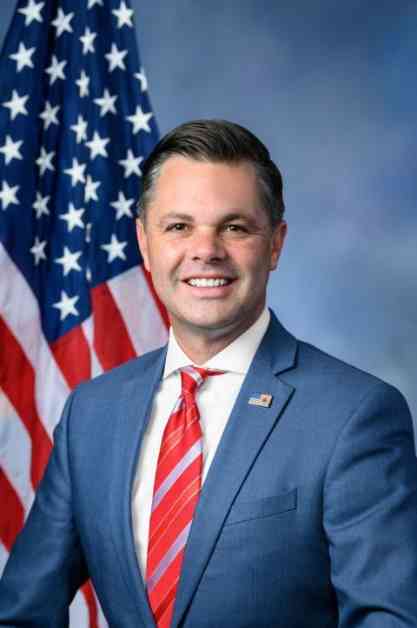
Iowa Congressman Zach Nunn is sounding the alarm on the escalating cyber attacks originating from communist China, highlighting the urgent need for action. As a member of the House Select Committee on China, Nunn is in a unique position to address this pressing issue that threatens national security and individual privacy.
**Recent Cyber Attacks by China**
Recent reports have revealed a surge in cyber attacks orchestrated by China, targeting crucial sectors of the U.S. economy. Nunn emphasizes that these attacks are not limited to stealing intellectual property but also include the unauthorized access to personal information of American citizens. Such breaches pose a significant threat to national security and economic stability, prompting Nunn to declare that “Communist China’s attempt to pilfer information stops today.”
**Implications of Chinese Hacks**
The Wall Street Journal has shed light on a recent Chinese hack that specifically targeted nine U.S. telecommunications companies, raising concerns about the extent of the breach. Nunn further highlights the cyber attack on the U.S. Treasury as a glaring example of China’s aggressive tactics. The hack compromised sensitive proprietary information, personal data, and unique business details, enabling China to gain an unfair advantage in the global marketplace.
**Expert Analysis and Congressional Action**
Drawing on his background as an intelligence officer and experience in national security, Nunn emphasizes the need for immediate action to address the fallout from China’s cyber intrusions. He warns that the breach of the U.S. Treasury Department could have far-reaching consequences, including China exploiting information to undermine American businesses operating in China.
**Legislative Response and Financial Impact**
As a member of the Financial Services Committee, Nunn pledges to introduce legislation aimed at easing banking regulations to support community lenders and empower everyday Americans. By reducing regulatory burdens, Nunn aims to enable individuals to retain more of their hard-earned money and bolster local businesses.
In the face of escalating cyber threats from China, Nunn’s proactive stance underscores the critical importance of safeguarding national interests and individual privacy in an increasingly interconnected world. As he embarks on his second term in the U.S. House, Nunn’s commitment to addressing cybersecurity challenges remains unwavering, positioning him as a key advocate for legislative action to protect American interests.