The Changing Climate of Iowa Agriculture
Iowa, known as the breadbasket of America, is facing unprecedented challenges due to climate change. Farmers in the state are witnessing erratic weather patterns, increased frequency of droughts, and more intense storms. These changes are not only affecting crop yields but also the livelihoods of those who depend on agriculture. In response, Iowa farmers are turning to technology and innovative practices to adapt and mitigate the impacts of climate change.
Adopting Precision Agriculture
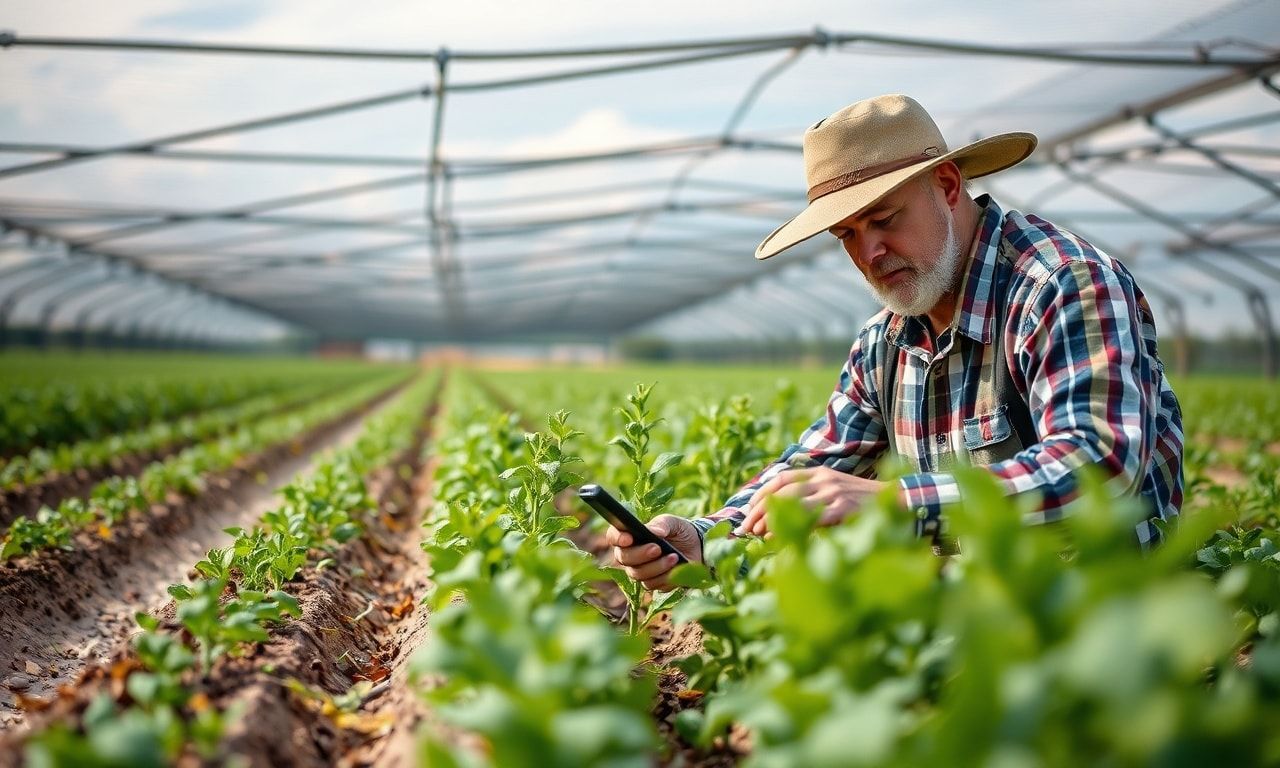
One of the most significant shifts in Iowa’s agricultural sector is the adoption of precision agriculture. This approach uses technology such as GPS, sensors, and data analytics to optimize farming practices. By collecting and analyzing data on soil health, moisture levels, and crop conditions, farmers can make more informed decisions about planting, irrigation, and fertilization. This not only improves efficiency but also reduces the environmental impact of farming.
For instance, drones equipped with multispectral cameras can monitor crop health and detect early signs of disease or pest infestations. This allows farmers to take targeted action, reducing the need for widespread pesticide use. Additionally, variable rate technology (VRT) enables farmers to apply fertilizers and other inputs precisely where they are needed, minimizing waste and environmental runoff.
The Role of Data and Analytics
Data is at the heart of precision agriculture. Farmers are increasingly using data analytics to predict weather patterns, optimize planting schedules, and manage resources more effectively. Companies specializing in agricultural technology are providing platforms that integrate data from various sources, including satellite imagery, weather stations, and on-farm sensors. This holistic approach helps farmers make data-driven decisions that can enhance productivity and sustainability.
Moreover, the integration of artificial intelligence (AI) and machine learning (ML) algorithms is revolutionizing how farmers analyze and interpret data. These technologies can identify patterns and trends that might be missed by human analysis, providing valuable insights for improving crop yields and reducing costs.
Sustainable Farming Practices
In addition to technological advancements, Iowa farmers are embracing sustainable farming practices to combat climate change. Cover cropping, crop rotation, and conservation tillage are becoming more common. These practices help improve soil health, reduce erosion, and increase the land’s ability to sequester carbon.
Cover cropping, for example, involves planting cover crops such as clover or rye during the off-season. These crops protect the soil from erosion, improve soil structure, and enhance water retention. Crop rotation helps break pest and disease cycles, while conservation tillage reduces the disturbance of the soil, preserving its natural structure and biodiversity.
Government and Industry Support
The Iowa government and various agricultural organizations are playing a crucial role in supporting farmers’ efforts to adapt to climate change. Programs such as the Environmental Quality Incentives Program (EQIP) and the Conservation Stewardship Program (CSP) provide financial assistance and technical support to farmers implementing sustainable practices.
Furthermore, industry collaborations and partnerships are fostering innovation and knowledge sharing. Farmers are encouraged to participate in workshops, webinars, and field days where they can learn about the latest technologies and practices from experts and peers. These initiatives are essential for building a resilient and sustainable agricultural sector.
The Importance of Staying Informed
Staying informed about the latest developments in agriculture and climate change is crucial for Iowa farmers. Keeping up with tarım sektörü haberleri güncel (current agricultural sector news) can provide valuable insights and help farmers make informed decisions. Whether it’s new technologies, government policies, or best practices, being well-informed can make a significant difference in adapting to the challenges posed by climate change.
Farmers can subscribe to agricultural newsletters, follow industry blogs, and participate in online forums to stay updated. Additionally, attending conferences and trade shows can provide opportunities to network with other farmers and industry experts, fostering a community of shared knowledge and support.
Conclusion
Iowa’s agricultural sector is at a crossroads, facing the dual challenges of climate change and the need for sustainable practices. However, the adoption of precision agriculture, sustainable farming practices, and the support of government and industry initiatives are paving the way for a more resilient future. By embracing technology and innovation, Iowa farmers are not only adapting to climate change but also leading the way in sustainable agriculture. The journey is ongoing, but the progress made so far is a testament to the resilience and adaptability of Iowa’s farming community.
As technology continues to reshape industries, a new report examines how innovations are transforming agriculture and what this means for the future of food production.
In light of recent discussions on food security and public health, delve into agriculture’s health implications to understand their broader impact on society.