
How Accurate Are Iowa Weather Forecasts, and Why?
Learn what forecast accuracy means, why Iowa predictions shift with lead time and storm type, and how to use local updates to plan safely.

Weather forecasts are useful guides, not guarantees. Their accuracy depends on how far ahead they look, the weather being predicted and how conditions develop locally. A broad temperature trend several days out may hold while a thunderstorm’s exact path or a winter storm’s timing changes as new observations and forecast models come in.
For Iowa residents, that distinction matters when deciding whether to adjust a commute, prepare for snow or postpone outdoor work. A forecast gives the best available picture at a particular time; checking how it changes and following official alerts can help you make decisions without assuming every detail is settled.
The practical approach is to match the forecast to the decision. Use longer-range outlooks to watch for patterns, then rely on updated local forecasts and alerts as an event gets closer. Pay attention to ranges, uncertainty and hazards—not just a single temperature, snowfall amount or storm icon.
- Forecast accuracy depends on the weather detail, location and lead time.
- Use long-range outlooks for broad patterns and updated local forecasts for near-term decisions.
- Iowa thunderstorms and winter storms can vary sharply in track, timing and precipitation type.
- Check official alerts and keep plans flexible when hazards remain possible.
What a Weather Forecast’s Accuracy Really Means
Probability, Not a Promise
A forecast describes what is most likely, while its probability communicates uncertainty rather than certainty. For example, a chance of rain means rain is possible in the forecast area, not that every town or neighborhood will get wet. The wording and time period matter, so read the full forecast rather than treating one percentage as a guarantee.
Forecast accuracy also depends on what is being checked. Temperature, wind, precipitation timing and storm location are separate predictions, and one can be close while another misses. A day may have the right general weather pattern but still deliver rain earlier than expected or a high temperature a few degrees different from the forecast.
This is why a forecast icon alone can be misleading. A rain symbol may cover a short shower as well as a longer period of steady rain, while a snow forecast may depend on a narrow range of temperatures. Look at the text, hourly details and hazard statements to understand what the forecast actually says.
Measure the Right Detail
A useful forecast check begins by asking which detail affects your plans. Someone deciding whether to bring a coat needs a different level of precision from a farmer weighing fieldwork or a driver considering a trip during snow. Match the forecast element—temperature, wind, precipitation or hazards—to the decision you need to make.
Forecasts are also evaluated over areas and periods, not just against one person’s experience. A shower can miss one town while falling nearby, even when the larger regional forecast captured the pattern. That difference does not make local conditions irrelevant; it shows why location-specific updates matter when weather varies across Iowa.
For a fair check afterward, compare the forecast with observations from the same place and time window. A predicted afternoon high should not be judged against a morning reading, and a county-wide precipitation forecast should not be judged by one dry backyard. Keeping those comparisons aligned helps you learn which details were dependable.
Why Forecasts Change as the Weather Gets Closer

Updates Add New Evidence
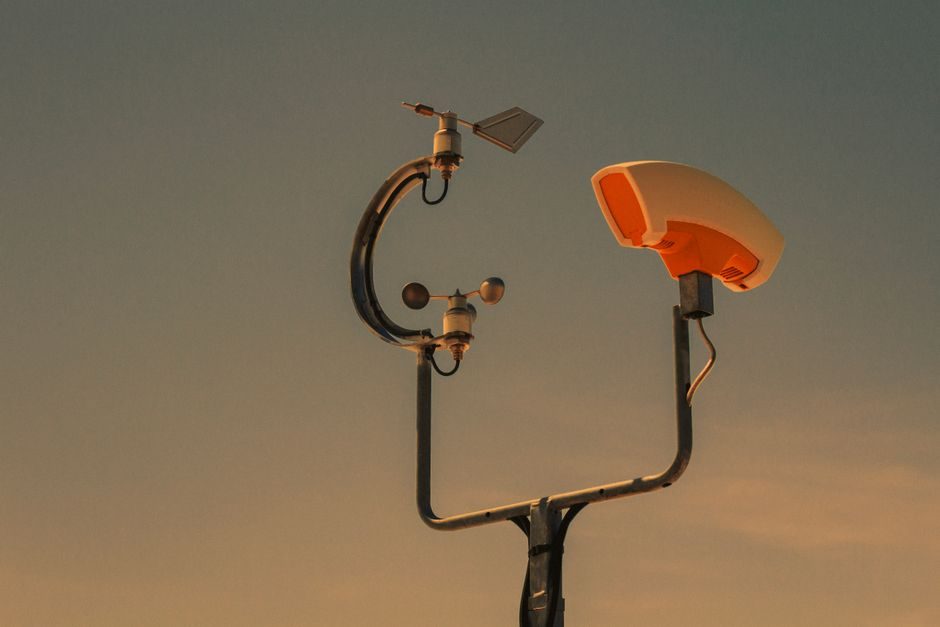
Forecasts change because forecasters receive fresh observations and use them to refine their picture of the atmosphere. Weather stations, radar, satellites and measurements from other sources help show where systems are moving and how conditions are developing. Each update can adjust the expected timing, track or intensity of a weather event.
- ☐ Check when the forecast was updated.
- ☐ Compare the hourly details with the daily summary.
- ☐ Look for changes in timing, track or hazards.
- ☐ Recheck before travel or outdoor work.
Several days ahead, small differences in the estimated position or speed of a weather system can lead to different outcomes for Iowa. As the system approaches, observations help narrow those possibilities, but they do not remove every uncertainty. A forecast shift is often a response to new evidence, not proof that earlier information was careless.
Check the update time as well as the forecast itself, especially when plans depend on a narrow window. An older hourly forecast may not reflect a storm’s latest movement, while a newer forecast can revise when rain or snow is expected. If conditions are changing, consult local updates again before you leave or make a safety decision.
Lead Time Changes Confidence
The farther out a forecast looks, the more opportunity there is for small uncertainties to affect the result. Longer-range outlooks are best used to spot broad patterns, such as a stretch that may turn colder or wetter. They are less useful for choosing the exact hour to travel or predicting a storm’s precise path.
As an event gets closer, the forecast can usually offer more specific guidance, but local details may still shift. A thunderstorm’s route can change, and winter precipitation can vary between snow, rain or a mix as temperatures differ. Treat increased detail as helpful guidance, not as proof that every neighborhood will see the same conditions.
Make plans in stages when the forecast is still evolving. Use an early outlook to identify possible disruptions, then check updated local forecasts as the decision gets closer. For a trip or outdoor event, keep a backup option if timing or hazardous conditions remain uncertain, and follow official alerts if they are issued.
How Iowa’s Weather Makes Forecasting Challenging
Storms Can Vary Nearby
Iowa thunderstorms can form, strengthen or move in ways that make their local effects difficult to pin down far in advance. A storm may bring heavy rain or strong wind to one area while nearby communities see less. Forecasts can identify a risk across a region without knowing every storm’s exact track or which neighborhood will be affected.
That uncertainty matters for outdoor work, sports and travel. A general chance of storms signals that conditions could become hazardous, but it does not mean every planned activity will be interrupted. Check updated radar and local forecast details as storms approach, and take official watches or warnings seriously rather than waiting to see a storm overhead.
A realistic example is an outdoor event scheduled during a day with a storm risk. An early forecast can help organizers consider an indoor alternative, while later updates may clarify whether storms are more likely during the event or outside its hours. The plan should remain flexible until the timing and hazards are clearer.
| Weather type | What can shift | Useful response |
|---|---|---|
| Thunderstorms | Storm track and local impacts | Check radar and official alerts |
| Winter storm | Snow, rain or mixed precipitation | Review local updates and road conditions |
| Changing temperatures | Timing and precipitation type | Recheck before outdoor plans |
Winter Precipitation Shifts
Iowa winter storms can be difficult to forecast because a small change in temperature can affect whether precipitation falls as snow, rain or a mix. Those differences influence accumulation and road conditions, so a forecast may change as the storm’s track and the temperature profile become clearer. A regional prediction may not describe every community equally.
The practical question is often not only how much snow may fall, but when it will arrive and whether roads could become hazardous. A shift in timing can affect a commute even if the overall forecast remains similar. Check local updates and road-condition information before driving, and leave room for conditions to differ along your route.
Use winter forecasts as prompts to prepare rather than as exact measurements of what will happen at your address. If snow or ice is possible, consider whether you can adjust travel plans and keep essential supplies accessible. When official warnings or advisories are active, follow their safety guidance even if conditions near you have not yet changed.
For a changing storm, use more than a daily icon: read the forecast discussion or hourly outlook where available, and check radar for current movement.
Where to Check Forecasts and Local Updates

Use Official Local Sources
Start with a forecast that identifies your Iowa location and check official weather alerts when hazardous conditions may affect you. Local forecasts provide details for your area, while alerts communicate urgent risks such as severe storms or winter weather. If you need to find reliable local services online, Seo Services describes tools businesses use to improve their visibility.
- Use a forecast for your specific Iowa location.
- Check the update time when weather is changing.
- Follow official alerts for hazardous conditions.
For a changing storm, use more than a daily icon: read the forecast discussion or hourly outlook where available, and check radar for current movement. Radar shows precipitation that is occurring or approaching, but it does not by itself tell you whether a storm will produce a particular hazard. Pair it with official forecasts and warnings.
Choose a small set of dependable sources and return to them as conditions change instead of relying on a single social post or screenshot. Make sure the location and update time are clear, since an old forecast can circulate after conditions have shifted. For urgent threats, prioritize official warnings and instructions over informal reports.
Build a Simple Check Routine
A short routine makes forecasts easier to use without refreshing them constantly. Check the broader outlook when you first hear of a possible weather concern, then review local details closer to the time your plans could be affected. Before travel or outdoor work, check again for updated timing and any active hazards.
Compare the forecast with the decision in front of you. A temperature range can help with clothing, while precipitation timing and wind may matter more for a drive, fieldwork or an outdoor gathering. If the forecast remains uncertain, identify a practical alternative rather than treating one predicted outcome as settled.
Keep the routine flexible enough to respond to official alerts. If a warning is issued, follow its safety instructions and do not wait for the forecast to become more precise. When there is no alert but conditions are still developing, use current local information and allow extra time or a change of plan where safety could be affected.
How Businesses Can Keep Weather-Related Information Findable
Make Updates Easy to Locate
Keep weather-related notices where customers already look, such as a business’s main website, its online business profile, and a clearly marked social media page. If hours change because of snow or a storm, update those places promptly and use the same wording. A customer should not have to guess which notice is current.
- Check the forecast and local conditions before changing operating plans.
- Choose the exact hours or service change customers need to know.
- Update the website and customer-facing business profiles.
- Review the notice again when conditions or plans change.
Use direct language that answers the practical questions first: whether the business is open, when the change begins, and what customers should do next. For example, distinguish a delayed opening from a full-day closure. If reopening depends on road or weather conditions, say that the plan may change and identify where the next update will appear.
Location-specific pages and listings can help people find accurate information for the community they are in; Leicester Seo Services offers an example of that approach for businesses in Leicester and Leicestershire. An Iowa business can apply the same basic principle by clearly identifying each local location and keeping its hours and weather notices consistent across listings.
Keep Notices Consistent
Consistency matters when customers see information in more than one place. If a storefront sign says the business is closed but an online profile still lists normal hours, people may make an unnecessary trip. Assign someone to check the main channels whenever weather disrupts normal operations, rather than assuming one update reaches every listing.
Write notices that remain useful if a forecast shifts. A business might state that it plans to open later, then explain that it will confirm the decision through its website and profile. Avoid presenting a tentative schedule as certain when winter roads, drifting snow, or a changing thunderstorm threat could affect staff and customers.
For businesses with several Iowa locations, make each notice specific to the affected site instead of posting a broad message that leaves customers uncertain. A store in one town may face different road conditions from another nearby location. Keep the responsible contact and update process clear so staff can correct outdated information without delay.
What to Do When a Forecast Conflicts With Conditions
Trust What You Can Observe
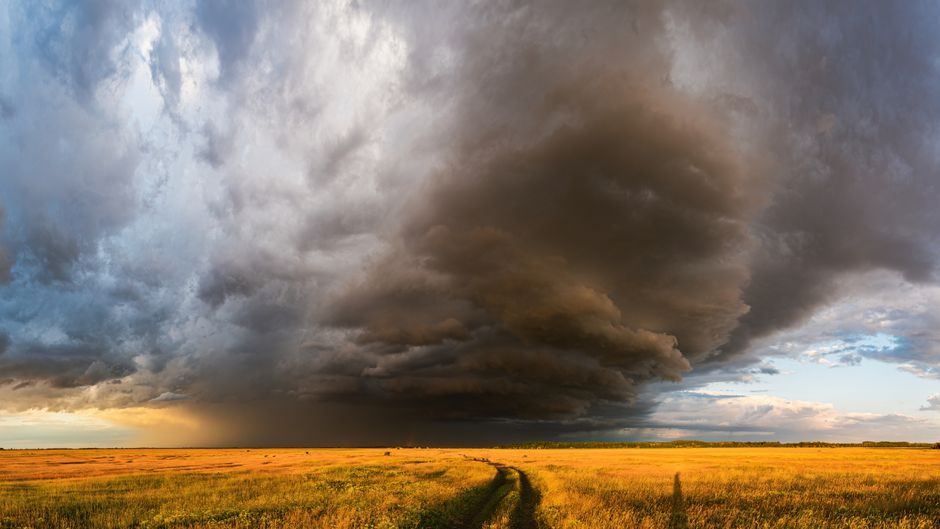
When conditions outside differ from the forecast, use current observations to make immediate decisions and check for updated official guidance. A forecast describes expected conditions over an area and time window; it does not guarantee what is happening at one driveway or stretch of road. During a thunderstorm, visible lightning or rising water calls for caution even if rain was not expected yet.
For travel, assess the route as well as the destination. A clear sky at home does not show whether a county road is icy, a low spot is flooded, or a storm is moving across the way. Check current road and weather information before leaving, and delay a trip if conditions make the route unsafe.
Businesses that need to communicate a change can use a timely notice while checking conditions; Local Seo Services describes how businesses keep location details and online profiles consistent. That is useful when customers search for a particular location, but an online profile cannot replace direct emergency instructions or firsthand safety decisions.
Check for New Information
A mismatch may mean the forecast has been updated, the local weather is developing faster than expected, or a small-scale event is affecting only part of the area. Recheck the forecast time and location before concluding that it was wrong. A broad regional forecast may not capture a brief downpour or a narrow band of snow over one community.
Compare more than one kind of current information, such as an official alert, a radar view, and conditions reported along your route. Each has limits: radar estimates precipitation, while an alert explains a defined hazard and its timing. Do not let a reassuring app icon outweigh a warning or dangerous conditions you can see.
If you receive an alert, read its stated area and valid period rather than relying only on a headline or notification sound. Some hazards demand immediate shelter; others call for monitoring and preparation. Follow instructions from local emergency management and public safety officials, especially when severe thunderstorms, flash flooding, or winter travel hazards are involved.
Practical Ways to Plan Around Forecast Uncertainty
Build a Flexible Plan
For outdoor work or travel, decide in advance what conditions would make you change plans. A farmer might identify a dry window for fieldwork but keep a backup task ready if rain arrives sooner; a family planning a drive can choose a later departure if snow develops. Clear alternatives make a shifting forecast easier to act on.
Match the decision to the forecast’s lead time. Several days ahead, use the outlook to consider broad options rather than locking in an exact hour. As the event gets closer, check updated timing and local alerts, then make decisions about travel, outdoor events, or equipment with the newest information available.
Build extra time into plans when winter weather could slow roads or when thunderstorms may interrupt outdoor activities. Do not treat a possible delay as proof that a hazardous event will happen; use the added flexibility to avoid rushing if conditions worsen. For essential trips, consider whether a safer route or postponement is practical.
Prepare for Iowa Hazards
Winter storms can bring changes in snowfall, wind, and road conditions over short distances, so prepare for the hazard rather than one predicted total. Keep needed supplies accessible, allow time for slower travel, and check conditions before leaving. In rural areas, consider whether a road’s exposure or drifting snow could make it harder to pass.
Thunderstorms require a different response because lightning and heavy rain can make outdoor plans unsafe quickly. Know where you would take shelter and be ready to move indoors when storms approach. If a warning is issued for your area, follow its instructions rather than waiting for rain to begin at your location.
For events, farms, and community activities, establish who will monitor updates and who can make the call to pause or cancel. Share the decision point with participants or workers ahead of time. That avoids confusion when forecast timing changes and makes it less likely that people will continue an activity simply because the original plan is already underway.
- Keep a backup indoor option for outdoor gatherings.
- Check road conditions before winter travel.
- Identify a sturdy shelter before thunderstorms arrive.
- Set a clear person and process for postponing an event.
How to Read Forecasts Without Overrelying on One Number
Read the Whole Forecast
A single temperature or precipitation number leaves out timing, location, and uncertainty. Check the hourly forecast when deciding whether to travel or schedule outdoor work, and look at the broader outlook for changes across the day. For winter weather, snowfall amounts matter, but so do wind, temperature, and the timing of the storm.
- Mistake: Treating a precipitation chance as a promise of rain at your address; better: check timing and local updates.
- Mistake: Planning around one predicted snowfall amount; better: consider wind, temperature, and road impacts too.
- Mistake: Reading only an app icon; better: review forecast details and any official alert.
A precipitation chance does not mean rain will fall continuously at your exact address. It describes the likelihood of measurable precipitation for an area and period, so a passing shower may affect one town and miss another. Use the chance alongside the expected timing and type of precipitation rather than interpreting it as a promised amount.
Pay attention to alerts and forecast wording as well as graphics. A bright color or dramatic icon can be difficult to interpret without its legend, while a warning names a specific hazard and area. If a forecast includes a range or expresses uncertainty, plan for reasonable alternatives instead of treating the middle value as a guaranteed outcome.
Match Detail to the Decision
Use broad forecasts for broad choices and more local updates for time-sensitive decisions. An outlook several days ahead can help you consider whether to reschedule an event, but it may not settle the exact start time. Near the event, hourly information and current alerts can better inform decisions about travel or outdoor safety.
Different weather types call for different questions. For a thunderstorm, ask when it could arrive and whether a warning is active; for a winter storm, consider snow, ice, wind, and how long travel may be affected. A forecast that gets the general pattern right may still have meaningful limits on precise timing or location.
When forecasts disagree, check whether they cover the same place and time, then look for the latest official update. Avoid averaging conflicting numbers without understanding what each one represents. For a consequential choice, such as whether to travel during severe weather, use the more cautious plan and follow local emergency guidance rather than relying on a single forecast display.
Frequently asked questions
Are forecasts more reliable for tomorrow than for next week?Generally, forecasts become more useful for specific timing and local details as the event gets closer, because forecasters have newer observations. A forecast several days ahead can still help identify a possible pattern, but exact snowfall, storm timing, or temperatures may change. Use longer-range outlooks for flexible planning, then check updated local forecasts and alerts before making time-sensitive decisions.
Why can one Iowa town get a storm while another nearby town stays dry?Some weather systems affect broad areas, while thunderstorms and narrow bands of rain or snow can be much more localized. Small differences in a storm’s path may leave one community with heavy rain and another with little. A regional forecast describes the larger risk, not a guarantee that every neighborhood will experience identical conditions.
Does a high chance of rain mean it will rain all day?No. A precipitation chance refers to the likelihood of measurable precipitation in a forecast area during a stated period; it does not promise continuous rain at every location. Check the hourly timing and expected duration for a clearer planning picture. If storms may be severe, pay attention to official alerts rather than using the rain chance alone to judge safety.
What should I check before driving during winter weather?Review the latest forecast, official travel or road-condition information, and any active weather alerts for the route, not just the destination. Conditions can vary across Iowa, and roads may be affected by ice, drifting snow, or reduced visibility even when skies look clear nearby. If authorities advise against travel or the route appears unsafe, postpone the trip when possible.
Make Forecasts Part of a Safer Plan
Weather forecasts are useful estimates, not guarantees of what every Iowa community will experience. Their detail and reliability depend on how far ahead the forecast looks and on the kind of weather involved. A broad outlook can help with flexible planning, while current conditions, updated forecasts, and official alerts matter more as a winter storm or thunderstorm approaches.
For your next weather-sensitive decision, check the forecast for the right place and time, then identify what would make you change plans. Before driving, review route conditions; before an outdoor event, choose a shelter or backup location. Keep checking for updates when conditions are changing, and follow emergency instructions rather than waiting for a forecast to match what you see.
Add Iowa News Updates as a preferred source on Google


