
What Is Iowa’s Main Industry? A Guide to Its Economy
Agriculture anchors Iowa’s economy, but food processing, manufacturing, insurance and finance also shape jobs and businesses across the state. Here’s how they c

Agriculture is Iowa’s main industry in the sense that farming and its supply chain shape much of the state’s economy. Corn, soybeans, livestock and related businesses support work in equipment, transportation, food processing and finance. Iowa also has substantial manufacturing, insurance and service sectors, so the economy is broader than farming alone.
That connection is visible in everyday business: farms buy inputs and machinery, processors turn crops and livestock into products, and carriers move goods to markets. These links create work beyond the farm gate and help explain why agricultural conditions matter to businesses across Iowa.
The overview below traces those connections, compares common food-processing roles and explains how insurance and finance fit into the state’s economy. It is a practical guide to the industries Iowa residents encounter, not a ranking based on current employment figures.
- Agriculture is Iowa’s main industry because farms and their supply chains support activity across the state.
- Suppliers, transport firms and processors connect farms with buyers and create work beyond production.
- Manufacturing, insurance, finance and other services make Iowa’s economy more diverse than farming alone.
- The exact needs of farms and businesses vary by product, location, season and operation.
Why agriculture is central to Iowa’s economy
Crops and livestock shape production
Iowa’s farms produce crops and livestock that supply buyers well beyond the farm. Corn and soybeans are familiar examples, while cattle, hogs, poultry and dairy operations contribute to the state’s agricultural mix. The combination makes agriculture visible in rural communities and relevant to businesses that provide supplies, services and routes to market.
Farm production depends on decisions made before planting and throughout the year. Producers select seed, manage soil and water, monitor crops or animals, and decide when to sell. Weather, input availability and market conditions can affect those choices, so a farm’s needs change with the season rather than following a simple, uniform schedule.
Agriculture’s central role does not mean every Iowa resident works on a farm. Instead, farming provides raw materials and demand that support many kinds of local work. A farm may purchase machinery repairs, veterinary care, fuel, storage or accounting, connecting agricultural production to businesses in towns and cities.
Rural communities feel the connections
Agriculture influences local business activity through purchases and services, not only through the value of crops or animals. When a farm needs equipment maintenance or grain storage, nearby providers may supply the work. Those transactions help connect producers with repair shops, elevators, trucking firms and other businesses serving Iowa communities.
The timing of farm work also shapes demand. Planting and harvest bring concentrated needs for labor, equipment support and transportation, while other parts of the year involve planning, animal care or repairs. Businesses that serve farms often adapt their staffing and schedules around these cycles, though needs vary by operation and region.
For residents, this means agricultural conditions can matter even when their household income comes from another sector. A change in farm production or purchasing can affect suppliers and service businesses that depend on producers. The relationship is especially clear in communities where farm customers are an important part of the local customer base.
- Equipment dealers and repair shops maintain farm machinery.
- Grain elevators receive, store and handle harvested crops.
- Veterinary practices support livestock health.
- Trucking firms move inputs and agricultural products.
How farming supports related industries
Suppliers keep farms operating
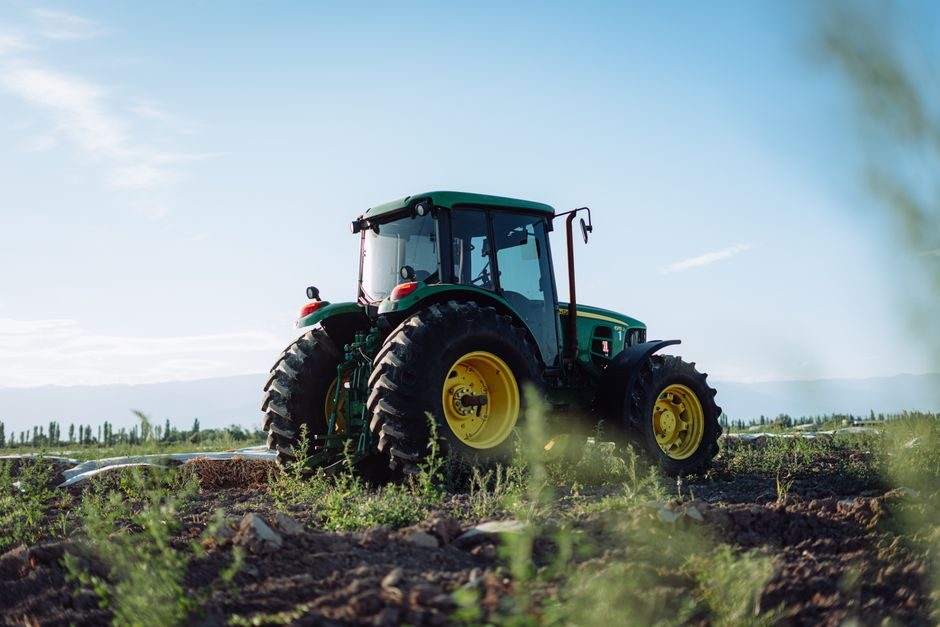
Farm suppliers provide the goods and services producers need to keep operations running. These can include seed, fertilizer, feed, machinery, fuel and maintenance, along with technical advice. Their work is tied to farm decisions: a crop producer and a livestock operation require different products, equipment and support at different points in the year.
Machinery is a clear example of the relationship. Tractors, planters, combines and other equipment need purchase, repair and parts support, while operators must match equipment to their land and work. A breakdown during a busy period can disrupt plans, so reliable service and access to replacement parts matter to producers.
Businesses that serve farms also need to understand agricultural schedules and conditions. They may plan inventory around seasonal demand and adjust service capacity when planting or harvest approaches. For Iowa residents, these suppliers illustrate how agriculture creates business activity outside the farm itself, including skilled trade, sales, logistics and equipment maintenance.
Transport connects farms to buyers
Transportation carries agricultural inputs to farms and moves crops, livestock and processed goods toward buyers. Trucks, rail and storage facilities each play roles, depending on the product, route and destination. Efficient handling matters because many agricultural goods must be moved, stored or processed before they can reach customers.
A harvested crop may travel first to a local elevator or another storage point, then onward to a processor or wider market. Livestock follows a different route, often involving specialized handling and processing. These paths require coordination among producers, carriers, storage operators and buyers, making logistics a practical part of Iowa’s agricultural economy.
Businesses seeking customers in connected industries need to explain clearly what they offer and whom they serve. For Iowa firms researching publishing and outreach options, MediaKit.uk can help them review ways to build visibility. That is a business-development consideration alongside the physical work of supplying farms and moving products.
Food processing and manufacturing across the state
From raw materials to products
Food processors turn agricultural products into goods that can be packaged, distributed and sold. Processing can include handling meat, grain, dairy or other farm outputs, with different facilities focused on different products. This work links Iowa farms to food businesses and consumers while creating demand for equipment, packaging, maintenance and transport.
- Receive agricultural inputs and check their condition.
- Prepare or process materials for the intended product.
- Package products for handling and distribution.
- Move finished goods to buyers or further processing.
Manufacturing is broader than food production, and Iowa businesses make products for agricultural and other markets. Some manufacturers build or supply machinery and components; others produce goods that do not depend directly on farm inputs. Together, these activities show how the state’s economy combines agricultural resources with technical skills, production facilities and distribution.
Companies connected to Iowa food processing may use a guest posting service to share practical expertise with readers of industry-focused publications. That kind of communication can complement the operational work of sourcing inputs, meeting product requirements and serving customers. It is a business outreach option, not part of the physical processing chain.
| Role | Main work | Connection |
|---|---|---|
| Farm | Grows crops or raises livestock | Supplies raw agricultural products |
| Processor | Handles or transforms farm products | Prepares goods for sale or further use |
| Manufacturer | Makes products, packaging or equipment | Supports production and distribution |
| Carrier or storage operator | Moves or holds goods | Connects suppliers with buyers |
Different roles along the chain
Food production involves distinct roles, and understanding them helps explain where businesses fit. A farm supplies raw material, a processor changes or prepares it, and a manufacturer may create packaging or equipment used along the way. Transport and storage connect each stage, while buyers determine what products are needed and how they reach customers.
The work and requirements differ by stage. Farms manage crops or animals, processors focus on handling and product consistency, and equipment makers design or maintain production tools. A business choosing where to operate or invest should consider its capabilities, access to inputs, staffing needs and customers rather than assuming every part of the chain is alike.
Iowa’s agricultural base supports food manufacturing, but the sector also depends on services and supply chains that extend beyond agriculture. For example, facilities need utilities, maintenance, packaging and shipping. These connections can create opportunities for firms that do not grow crops or raise livestock but provide essential goods and services to producers.
- Farms grow crops or raise livestock.
- Processors prepare agricultural products for sale or further use.
- Manufacturers make food, packaging or production equipment.
- Carriers and storage operators connect suppliers with buyers.
Insurance and finance help farms and other businesses manage uncertainty and fund operations.
Where insurance and finance fit in

Managing risk and investment
Insurance and finance help farms and other businesses manage uncertainty and fund operations. Producers may need coverage for property, vehicles or other business risks, while lenders can provide capital for land, equipment and operating expenses. The right choices depend on the operation, its assets and its financial plans, so businesses should review terms carefully.
- ☐ Identify the assets and business risks that need attention.
- ☐ Compare coverage terms, limits and exclusions.
- ☐ Estimate cash needs across the operating cycle.
- ☐ Review financing obligations before committing.
Agricultural lending often reflects the timing of farm income and expenses. Producers may pay for inputs before a crop is sold, or invest in equipment that will be used over many seasons. Financial planning can help match borrowing and repayment to expected cash flow, while records give lenders and owners a clearer view of costs and obligations.
Insurance and finance firms also compete for business customers and need to communicate their services clearly. Firms seeking marketing support may use a marketing agency directory to compare agencies and the services they offer. That is one way to research outreach support; it does not replace careful review of a provider’s work and suitability.
Services extend beyond farms
Financial and insurance services serve businesses across Iowa, not only agricultural producers. Manufacturers, retailers, transport firms and professional practices also need ways to manage assets, plan cash flow and assess risk. This broader customer base helps make finance and insurance important parts of the state’s economy alongside the industries they support.
A business owner can start by listing major assets, regular expenses and risks that could interrupt operations. That information helps frame conversations with qualified insurance or financial professionals, who can explain available terms and obligations. Needs differ, so comparisons should focus on what a policy or financing arrangement actually covers rather than on a label alone.
These services contribute to the economy by helping businesses plan and continue operating through changing conditions. They do not eliminate uncertainty, and a policy or loan is not a substitute for sound management. For Iowa residents, their importance is clearest when considered as support for farms, manufacturers and other employers across the state.
- List business assets and recurring financial needs.
- Ask providers to explain key terms and exclusions.
- Compare options against the operation’s actual risks.
- Keep records of obligations and renewal dates.
The role of health care and bioscience
Care Beyond Major Hospitals
Health care is a major source of work and services in Iowa, extending well beyond hospitals into clinics, nursing facilities, home care and medical offices. These employers serve residents in cities, small towns and rural areas, while relying on staff in clinical, technical and administrative roles. Their reach makes health care an important part of the state’s broader economy.
Hospitals and clinics also purchase goods and services from other Iowa businesses, including food providers, equipment suppliers, maintenance firms and transportation companies. That spending supports local commerce, though the scale and mix of jobs differ from one community to another. For residents weighing career options, health care offers varied paths, from direct patient care to laboratory work and operations.
Iowa’s bioscience activity connects research and specialized knowledge with agriculture, medicine and manufacturing. Work can include developing diagnostics, studying biological processes or producing health-related products, with collaboration among companies, educators and research organizations. A health care or bioscience organization seeking UK audiences could consider press release distribution uk as one targeted communications option.
Skills That Support Innovation
Bioscience depends on people with different kinds of training, not only scientists with advanced degrees. Laboratory technicians, quality-control workers, engineers, manufacturing staff and regulatory specialists can all contribute to turning research into dependable products. For students and job seekers, checking the qualifications listed by local employers is a practical way to identify relevant training.
Research does not automatically become a commercial product; it must be tested, produced consistently and meet applicable safety and quality requirements. Those steps create connections between research teams, manufacturers and health care providers. They also help explain why bioscience can complement Iowa’s established strengths in agriculture and manufacturing rather than standing apart from them.
Residents can follow this part of the economy by watching for employer announcements, education partnerships and expansions in health-related services. A single announcement does not show the full condition of an industry, but it can reveal what skills or facilities a particular organization needs. Comparing several local signals gives a more grounded picture than relying on broad labels alone.
How transportation connects Iowa businesses
Roads, Rail and Freight
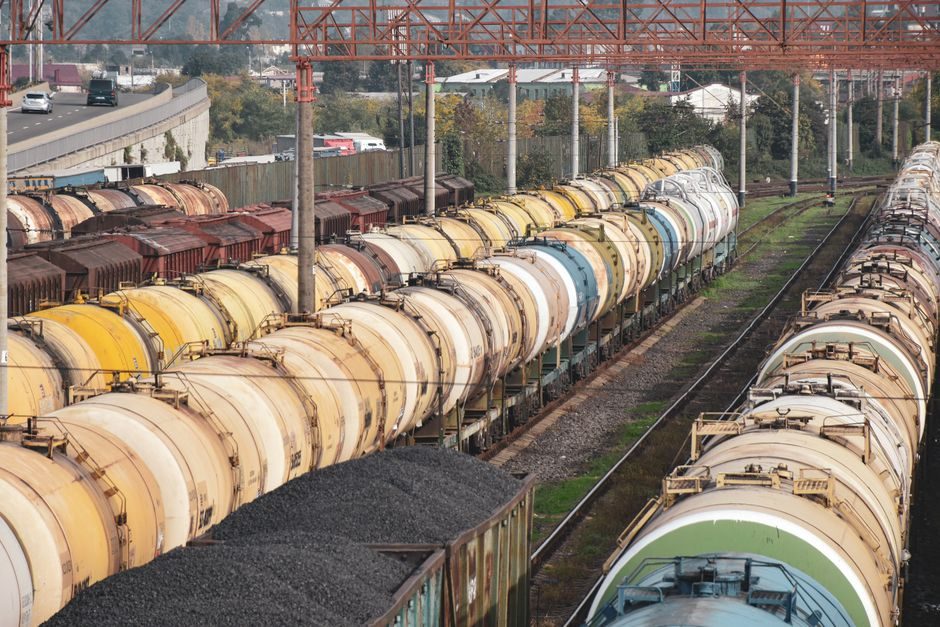
Iowa businesses depend on roads, railways and other freight links to move inputs to workplaces and finished goods to customers. Farms ship crops and livestock-related products, while manufacturers need dependable deliveries of materials and equipment. For businesses serving distant markets, transport access affects scheduling, storage needs and the cost of getting products where buyers expect them.
- Road and rail links help Iowa producers reach customers beyond the state.
- The best shipping method depends on cargo, destination and delivery needs.
- Clear lead times help businesses manage transport delays.
The state’s position between major markets makes connections beyond Iowa important, but the practical route depends on the cargo and destination. Trucks provide flexible access to farms, plants and distribution sites; rail can serve some bulk shipments and longer hauls. A company explaining its role in Iowa manufacturing may consider options to buy sponsored posts as one way to share its story.
Transport problems can quickly affect operations, even when a business does not own trucks or rail equipment. Weather, road work, equipment delays and changes in carrier availability may alter delivery plans. Businesses can reduce disruption by keeping customers informed, allowing realistic lead times and knowing which shipments are most urgent before a delay occurs.
Planning Reliable Deliveries
A practical shipping plan starts with understanding the product, its handling needs and the buyer’s required delivery window. Perishable goods, heavy equipment and packaged consumer products may need different routes or safeguards. Businesses should confirm who arranges transport, who handles delays and when responsibility for a shipment changes hands.
For farms and smaller firms, transportation decisions may be shared with processors, brokers, carriers or customers. Written arrangements help clarify pickup timing, loading requirements and what happens if weather interrupts the plan. Keeping shipment records and contact details together makes it easier to resolve questions without slowing other work.
Residents can see the importance of freight in everyday goods, from food ingredients to building materials and manufactured products. Not every Iowa business ships directly to consumers, but nearly all rely on supply chains in some way. Looking at both the producer and the route to market gives a fuller understanding of how transportation supports jobs across the state.
What to consider when promoting an Iowa business
Start With a Local Audience
An Iowa business should begin promotion by deciding whom it needs to reach and what those people need to know. A farm supplier may speak to producers, while a manufacturer may need to explain its products to buyers, job seekers or neighboring communities. Clear audience choices help keep messages useful and prevent a campaign from trying to serve everyone at once.
Local credibility grows when claims are specific and easy to verify. Explain what the business makes, where it operates and how its work connects to Iowa customers or suppliers, without making unsupported claims about statewide impact. A company reaching beyond its immediate community might consider white label press release distribution as one possible outreach tool.
Choose communication channels to fit the purpose rather than treating every option as interchangeable. A local event or community notice may work for nearby customers, while a detailed company update can help explain a new product or hiring need. Before publishing, check that names, product details, contact information and any claims about the business are accurate.
Build Trust Through Details
Useful business promotion gives readers enough detail to judge whether an offer or announcement matters to them. State what has changed, who is affected and where people can learn more, while avoiding vague descriptions such as “industry-leading” unless they can be substantiated. Concrete information earns attention more reliably than inflated language.
A business should also consider timing and follow-up before it publishes. Staff should be ready to answer questions, direct inquiries to the right person and correct any factual errors promptly. If a message announces a service change or new product, align the information across customer communications so people do not receive conflicting details.
Promotion is not a substitute for strong service, reliable delivery or clear employment practices. It can, however, help residents understand what a company contributes and how to contact it. Reviewing audience response and the questions people actually ask can guide future communication, making the next announcement more relevant and easier to understand.
How to check claims about the state’s economy

Trace the Original Source
Check who produced an economic claim before repeating it, and look for the original report or public data behind the summary. A headline may simplify a measure that covers only one industry, region or period. Reading the source’s description helps clarify what was counted and whether the claim refers to jobs, output, income or business activity.
- Repeating a headline without checking the underlying report; read the source and its definitions.
- Comparing figures from different periods or geographic areas; match their scope first.
- Treating a forecast as a confirmed outcome; label projections clearly.
Compare like with like when assessing change over time. A claim about agricultural production should not be treated as a direct measure of all Iowa employment, and a statewide figure may conceal differences among communities. Check the time span, geographic area and definition used before drawing conclusions about whether an industry is growing or shrinking.
Look for clear sourcing, methods and limits in any report. If a figure is attributed only to unnamed estimates or repeated without a citation, treat it cautiously until you can verify it elsewhere. The same care applies to company announcements: distinguish a confirmed facility or hiring plan from a broad prediction about future economic effects.
Put Industry Claims in Context
The question of Iowa’s main industry depends partly on what “main” means. Agriculture is central to the state’s identity and economy, but health care, manufacturing, finance, transportation and other fields also provide work and services. Explain the measure being used instead of suggesting that one industry accounts for every part of Iowa’s economy.
When checking a claim, ask whether it describes direct activity or includes connected businesses. Agriculture, for example, links farms with processing, equipment, storage and transport, while a narrow count may capture only one part of that chain. The distinction does not make either measure useless; it shows why the definition matters when comparing sectors.
For a practical overview, use more than one reliable source and note where their measures differ. State and federal agencies, industry groups and local reporting may each offer useful information, but their purposes and methods are not identical. Keeping those limits in view helps residents discuss Iowa’s economy accurately without overstating what any single figure can prove.
Frequently asked questions
Is Iowa’s economy based only on farming?No. Agriculture is a defining part of Iowa’s economy, but it connects with food processing, manufacturing, transportation and suppliers, while other fields contribute in their own right. Health care, finance, insurance and business services also support communities and employment. The best short answer is that agriculture is central, not that it is the state’s only important industry.
How does agriculture support jobs beyond farms?Farm production creates demand for equipment, seed, storage, transportation, processing and maintenance. Food manufacturers and distributors then connect agricultural goods with retailers and other buyers. These links mean that agriculture’s economic influence reaches people who may not work on a farm, although the kinds of jobs and businesses vary across Iowa.
Why are manufacturing and food processing important in Iowa?Manufacturing turns materials and components into products, while food processing prepares agricultural goods for markets and consumers. Both activities connect producers to buyers and rely on workers, equipment, utilities and transportation. Their presence helps explain how Iowa’s economy combines farming with businesses that add value, make goods and move them through supply chains.
What is a reliable way to compare Iowa industries?First identify what is being measured: jobs, output, income or another indicator. Then check the date range, geographic coverage and source definitions, and compare figures that use the same method. One measure cannot capture every contribution an industry makes, so use several credible sources and be clear about what each one does—and does not—show.
Understanding Iowa’s Economic Mix
Agriculture remains central to Iowa because it supports farms and a broad network of processing, manufacturing, supply and transportation activity. It is not the whole economy: health care, bioscience, finance, insurance and other businesses also shape work and services in communities across the state. Seeing these connections gives residents a more useful answer than naming a single industry as the only source of economic activity.
For a clearer picture of the economy around you, follow a specific question—such as which employers are hiring or how a local product reaches its market—and check the original sources behind any broad claim. Compare measures carefully, noting their time period and scope. That habit helps distinguish lasting strengths from individual announcements and makes Iowa’s changing business activity easier to understand.
Add Iowa News Updates as a preferred source on Google


