
What to know about deportesnoticias.es noticias for readers
A clear explainer for news readers: what deportesnoticias.es noticias covers, why it matters, and how to use it responsibly for sports updates in your area.

When readers ask what deportesnoticias.es noticias offers, the answer is straightforward: it provides ongoing sports updates and local coverage relevant to fans and followers. This explainer highlights what to expect, why it matters for readers of iowadaily, and how to use the site as a news source without overreliance on one outlet. The goal is to show practical ways to evaluate coverage, find timely reports, and cross-check facts for accuracy.
In plain terms, you should know how to navigate its sections, what counts as breaking news here, and how to verify claims before sharing them. This piece outlines steps, examples, and warnings to help readers use deportesnoticias.es noticias thoughtfully. By the end, you’ll have a clear sense of when to consult it and how to compare it with other local reporting.
The guidance focuses on practical use: identify trustworthy updates, distinguish opinion from reporting, and look for corroborating signals such as match results, schedules, and official statements.
Basics of the site
What sports coverage includes
This section explains the core content, including match results, schedules, and feature stories. It clarifies how updates are rolled out and what readers can expect in real time. Examples show how coverage shifts during a tournament or a local league season. deportesnoticias.es noticias
There is a focus on timely posts during games, with status icons and timestamps to help you judge immediacy. Expect short summaries that capture the outcome and next steps for teams involved.
The aim is to help readers trust the feed by understanding the cadence of posts and the kind of details each update provides.
- Live score snippets for quick reads
- Post-game analysis with key stats
- Injury and lineup notices
- Schedule changes and venue updates
How to assess reliability
This subsection guides readers on how to evaluate credibility, especially during heated matches or rumors. Look for clear sourcing, attribution to officials, and accompanying data. The practice reduces the chance of spreading unverified claims.
Readers should check whether stories are supported by official statements, match records, or multiple outlets. When a claim lacks sources, treat it as a rumor until corroborated.
The goal is to build a habit of cross-checking before sharing, so you maintain trust with your readers and yourself.
- Look for named sources
- Compare with official league pages
- Note the presence of dates and verifiable facts
- Watch for sensational language that signals bias
How it fits local sports readers
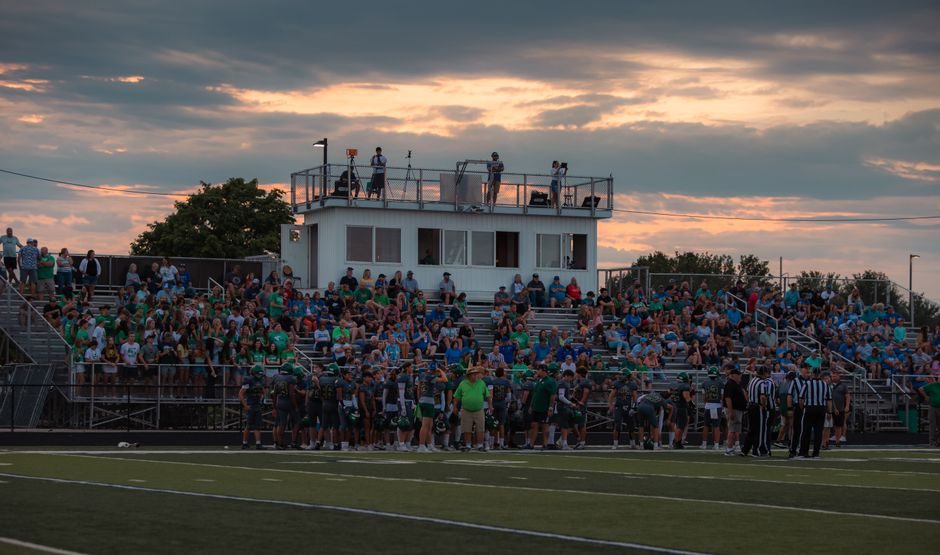
Local relevance and scope
This section explains the geographic focus, emphasizing competitions and leagues that matter to nearby fans. It shows how coverage aligns with local teams, venues, and events. Readers learn to spot articles that reflect their community’s sports calendar. A useful resource on this topic: eventos locales en España.
Expect features that cover amateur leagues, high school teams, and community events alongside professional play. Local relevance is a practical signal for readers seeking timely updates. The result is a more useful daily intake of sports news.
- Local match reports
- Community events calendars
- Player spotlights in the area
- Venue and schedule notices
When to rely on it for breaking news
Breaking news requires quick checks beyond first impressions. This subsection advises readers to confirm urgent updates with official sources and reputable aggregators. It also explains how to assess the speed versus accuracy balance in developing reports.
Readers should watch for timestamps, follow-up posts, and official statements before forming a strong opinion. Rapid posts can still be reliable if they include verifiable details and direct quotes. The practice guards against misinterpretation in fast-moving sports moments.
- Check official league pages
- Await second confirmatory post
- Look for direct quotes or official statements
- Note any retractions or corrections
Ways to use the site effectively
Tools for quick reading
This sub-section shows practical ways to skim the site: headlines, bullet summaries, and status markers help you decide what to read in depth. Use filters to focus on teams or leagues you care about to save time. A useful resource on this topic: directorio local en España.
Readers can customize notifications for key events, like kickoff times or score changes. The goal is to reduce time spent while keeping essential updates within reach.
The objective is a fast, reliable method to stay informed without overloading on information.
- Personalized alerts
- Highlights reels and brief summaries
- Geographic or team filters
- Clear timestamps and status icons
| Option | Strengths | Considerations |
|---|---|---|
| Live briefs | Fast updates, easy skim | May lack depth or context |
| In-depth articles | Thorough analysis | Takes longer to publish and read |
| Feature profiles | Human interest and context | Less timely than briefs |
Cross-checking with other sources
Cross-checking reduces the risk of misinformation, especially for controversial plays or transfers. Compare coverage with national outlets and official league channels. The practice adds context and balance to local reports.
Readers learn to identify when a single source dominates a story and seek additional perspectives. This habit strengthens overall media literacy and keeps you grounded in facts.
The result is a fuller understanding of sports events beyond a single outlet’s angle.
- Match official scores from league site
- Look for corroboration from a rival outlet
- Check dates for consistency
- Be aware of potential regional bias
Expect post-match analyses, injury reports, and tactical breakdowns that help you see beyond the box score.
Options for getting more depth

Different types of follow-up content
This subsection maps the kinds of follow-up pieces readers may encounter, from quick briefs to long-form features. It explains when each format is most useful and how to use them for deeper understanding. A useful resource on this topic: anuncios clasificados en España.
Expect post-match analyses, injury reports, and tactical breakdowns that help you see beyond the box score. These pieces supplement, not replace, live updates.
The goal is to locate the right depth for your needs, whether you want a quick recap or a thorough examination.
- Post-match briefs
- Injury reports
- Tactical breakdowns
- Player profiles
How to choose sources for depth
This part explains criteria for selecting trusted depth pieces. It emphasizes author expertise, transparent sourcing, and clear data presentation. Readers learn to prefer outlets that explain what data means and why it matters.
Deep pieces should connect events to wider narratives, such as season impact or team strategy. Look for articles that reference official data, match footage, and direct statements from teams or leagues.
The takeaway is to pursue comprehensive writing that adds value beyond journalists’ quick reports.
- Author credibility
- Clear sourcing
- Data transparency
- Narrative context
Ethics and fairness in sports reporting
Journalistic standards in practice
Ethics in sports reporting guide daily newsroom decisions, from sourcing to framing. Reporters should check facts, verify claims, and distinguish opinion from reported fact. When possible, they acknowledge mistakes and correct them publicly to retain trust. esquelas en España esquelas en España
- ☐ Statement accuracy first
- ☐ Label opinions separately from facts
- ☐ Identify and correct errors quickly
- ☐ Disclose sourcing where possible
Fairness means presenting multiple sides when appropriate, avoiding sensationalism that skews interpretation. Editors often ask for corroboration from players, coaches, and officials before publishing sensitive details. Readers benefit when coverage reflects the range of legitimate viewpoints.
Transparency matters most in contentious stories; disclosing sources’ limitations or potential conflicts helps readers weigh information. If a claim cannot be independently verified, note that clearly and avoid presenting it as established fact.
- Verify quotes with a second source
- Distinguish between speculation and reported facts
- Disclose potential conflicts of interest
- Provide context for controversial claims
Digital tools for readers

Tools to customize viewing
Readers use digital tools to tailor their news feed, track teams, and set alerts for breaking updates. Practical steps include subscribing to concise bullet updates and using searchable archives for past games. These features save time during busy sports seasons.
- Choose key alerts to avoid overload
- Use search to find older coverage
- Review timestamps to track updates
- Keep a short list of trusted sources
Digital tools also enable filters for leagues, teams, or regions, helping readers focus on what matters locally. When a site offers newsletters or push notifications, choose a few essentials to avoid overload.
User-friendly platforms show clear timestamps and source notes, making it easier to assess recency and reliability. If a source updates a story, look for an updated-at timestamp to track changes.
- Set alerts for local teams
- Use search to find past articles
- Choose a few newsletters to follow
- Check timestamps before trusting updates
Local sports calendars and resources
Where to find schedules
Local calendars help readers plan attendance, watch parties, and follow junior or amateur leagues. Start with official league sites and city venues for verified dates. Cross-check with local outlets for updates when schedules shift due to weather or events.
Calendars should show not just game times but venue details, accessibility options, and ticket information. If a game is postponed, the site should note the new date and any changes to broadcast access.
Tiptoes and practical notes matter: save links to the official calendar, subscribe to alerts, and confirm the venue before heading out. When in doubt, call the venue to confirm last-minute changes.
- Check venue and time details
- Bookmark official calendars
- Subscribe for updates
- Confirm changes by phone if needed
Navigating sports rumors safely

Separating rumor from fact
Rumors spread quickly on social feeds, but reliable readers separate conjecture from confirmed reporting. Start by checking whether a claim has multiple independent sources or official confirmation. If not, treat it as unverified and track whether more information becomes available.
Look for identifiers of credibility, such as named sources, corroborating evidence, or documentary records. When sources refuse to be named, use caution and avoid treating the claim as fact. Readers should avoid sharing unverified gossip as if it were reporting.
Document without amplifying. Save the rumor to follow up later instead of reposting or quoting improperly. If a rumor proves false, report the correction promptly with clear language.
- Check for independent corroboration
- Be cautious with anonymous sources
- Do not amplify unverified claims
- Follow up on promising leads
Frequently asked questions
How does the site verify breaking information?In fast-moving events, we seek multiple independent sources and official confirmations before publishing. When a claim cannot be corroborated, we flag it as unverified and provide a clear path for updates as new details emerge.
Can I customize how I receive sports news?Yes. Readers can tailor alerts for their local teams, save searches for past coverage, and use filters to limit updates to the leagues and venues they care about. This helps reduce clutter while staying informed.
What happens if a game is postponed?Official calendars and venue notices are updated, and any broadcast changes are indicated. If you rely on a single source, check the official calendar or venue announcements before making plans.
How can I report an error or share feedback?Use the site’s feedback form or contact the newsroom directly. We review submissions, correct verified errors promptly, and publish clarifications to maintain accuracy.
Closing note on reliable sports info
The core value for readers is consistent, verified reporting that distinguishes fact from rumor. By using official schedules, corroborated sources, and transparent notes, you gain a clearer view of local sports events as they unfold.
A practical next step is to bookmark the official calendars, enable a small set of trusted alerts, and periodically recheck major stories for updates to stay well-informed.
Add Iowa News Updates as a preferred source on Google


