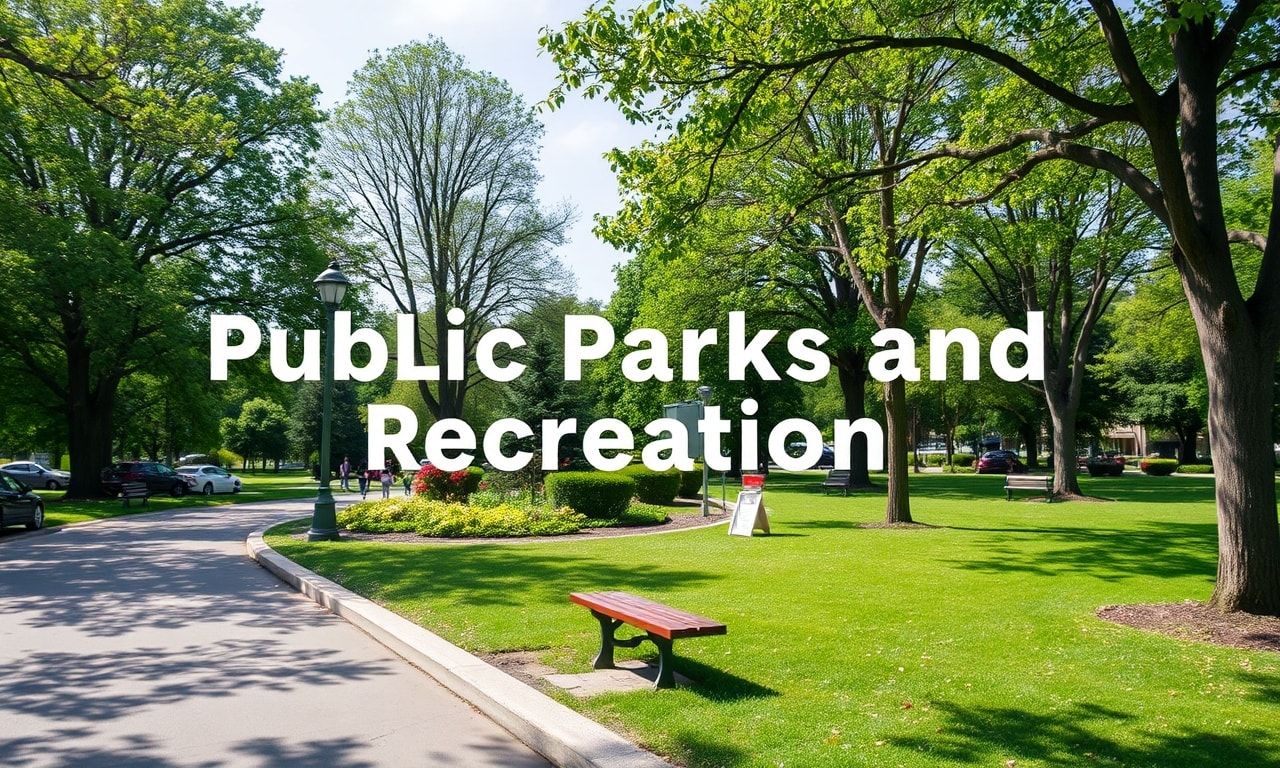
The Importance of Public Parks in Modern Society
Public parks have long been a cornerstone of community life, offering spaces for recreation, relaxation, and social interaction. In an era where urbanization is rapidly expanding, the role of these green spaces becomes even more crucial. They provide a respite from the concrete jungle, promoting mental and physical well-being among residents. Cities around the world are increasingly recognizing the value of investing in these areas, as they contribute significantly to the quality of life and overall health of their inhabitants.
The Benefits of Public Parks and Recreation
The benefits of public parks and recreation activities are manifold. They serve as venues for physical activities such as walking, jogging, and sports, which are essential for maintaining a healthy lifestyle. Additionally, parks offer a space for community gatherings, cultural events, and educational programs. Studies have shown that access to green spaces can reduce stress levels, lower blood pressure, and improve overall mental health. Furthermore, parks contribute to environmental sustainability by providing habitats for local wildlife and promoting biodiversity.
Health and Well-being
Regular engagement in outdoor activities within public parks has been linked to numerous health benefits. Activities such as hiking, cycling, and team sports not only improve physical fitness but also enhance mental health by reducing symptoms of anxiety and depression. The natural environment of parks provides a calming effect, making them ideal for mindfulness practices and relaxation. Communities with easy access to well-maintained parks often report higher levels of satisfaction and well-being among their residents.
Community Engagement and Social Interaction
Public parks act as social hubs where people of all ages and backgrounds can come together. They foster a sense of community by providing a neutral space for social interaction, cultural events, and community programs. Parks often host festivals, markets, and educational workshops, which help to strengthen community bonds and promote social cohesion. Additionally, they serve as venues for family outings, picnics, and recreational activities, making them integral to the social fabric of any neighborhood.
Innovative Recreation Activities Around the World
Innovative recreation activities are being introduced in public parks worldwide to cater to diverse interests and age groups. From outdoor fitness equipment to adventure parks and water sports, the options are endless. For instance, urban parks in cities like New York and London have incorporated fitness trails, yoga sessions, and even outdoor movie screenings to engage visitors. In Qatar, the Qatar parks recreation activities have gained popularity, offering a range of activities from desert safaris to water sports, attracting both locals and tourists. These initiatives not only enhance the visitor experience but also promote a more active and healthy lifestyle.
Adventure and Extreme Sports
Adventure and extreme sports are becoming increasingly popular in public parks, attracting thrill-seekers and adrenaline junkies. Activities such as rock climbing, zip-lining, and mountain biking are being integrated into park designs to cater to this growing demand. These activities not only provide an exciting way to stay fit but also encourage visitors to explore and appreciate the natural environment. Parks that offer such amenities often see a significant increase in foot traffic, contributing to the local economy and promoting tourism.
Cultural and Educational Programs
Public parks are also playing a pivotal role in promoting cultural and educational programs. Many parks host art exhibitions, music festivals, and historical reenactments, providing a platform for local artists and cultural organizations. Educational programs, such as nature walks, wildlife workshops, and environmental conservation initiatives, are also commonly held in parks. These programs not only educate the public about the importance of environmental stewardship but also foster a deeper appreciation for the natural world.
The Future of Public Parks and Recreation
The future of public parks and recreation is bright, with ongoing efforts to make these spaces more inclusive, accessible, and sustainable. Innovations in park design, such as the integration of smart technologies and eco-friendly materials, are transforming the way we interact with these spaces. Additionally, there is a growing emphasis on creating parks that are accessible to people of all abilities, ensuring that everyone can enjoy the benefits of these green spaces. As cities continue to grow, the demand for well-maintained and innovative public parks will only increase, making them an essential component of urban planning and development.
Sustainability and Eco-Friendly Initiatives
Sustainability is a key focus in the future of public parks and recreation. Many parks are adopting eco-friendly practices, such as using renewable energy sources, implementing water conservation measures, and promoting biodiversity. Green initiatives like community gardens, composting programs, and the use of native plants are becoming more common. These efforts not only help to protect the environment but also educate the public about the importance of sustainable living.
Accessibility and Inclusivity
Ensuring that public parks are accessible and inclusive is another priority for the future. Parks are being designed with features such as wheelchair-accessible trails, sensory gardens, and inclusive playground equipment to cater to individuals with disabilities. Additionally, efforts are being made to create parks that are welcoming to people of all ages, backgrounds, and cultures. By promoting inclusivity, public parks can serve as a unifying force within communities, fostering a sense of belonging and shared responsibility for the environment.
As the entertainment industry continues to evolve, our latest feature explores its dynamic landscape offers a comprehensive look at its current trends and future directions.
To gain a deeper understanding of the world’s diverse celebrations, consider exploring global events and festivities and their cultural significance.