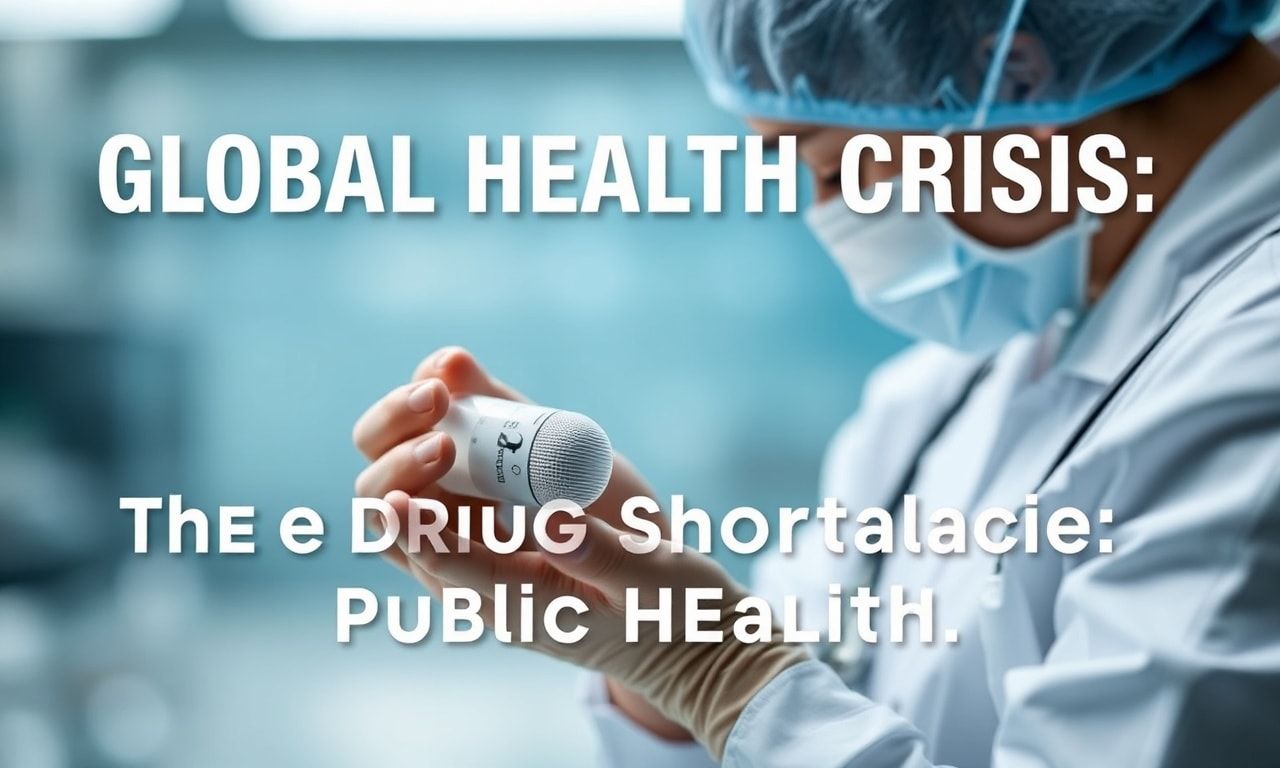
Understanding the Medicine Shortage Crisis
The world is currently grappling with a significant health crisis that has been overshadowed by the pandemic: a global shortage of essential medicines. This issue has been escalating over the past few years, affecting both developed and developing countries. The shortage impacts a wide range of medications, from common antibiotics to critical treatments for chronic diseases. The causes are multifaceted, including supply chain disruptions, regulatory challenges, and increased demand due to aging populations and the rise of non-communicable diseases.
Supply Chain Disruptions
One of the primary reasons for the medicine shortage is the fragility of global supply chains. The COVID-19 pandemic has exposed the vulnerabilities in the pharmaceutical supply chain, leading to delays and shortages. Many pharmaceutical companies rely on a global network of suppliers for raw materials, and any disruption in this network can lead to a domino effect, causing shortages in the final products. Additionally, natural disasters, political instability, and trade restrictions can further exacerbate the problem.
For instance, the recent earthquake in Turkey disrupted the supply of several critical medicines, leading to a scramble for alternatives. In such situations, having a robust and resilient supply chain is crucial. Governments and pharmaceutical companies are now looking at ways to diversify their supply chains and reduce dependence on single sources. This includes investing in local manufacturing capabilities and building strategic stockpiles of essential medicines.
The Role of Regulatory Challenges
Regulatory challenges also play a significant role in the medicine shortage crisis. The approval process for new drugs is often lengthy and complex, involving multiple stages of clinical trials and regulatory reviews. This can delay the introduction of new treatments and exacerbate shortages of existing ones. Moreover, regulatory differences between countries can create barriers to the import and export of medicines, further complicating the situation.
To address these challenges, there is a growing call for harmonization of regulatory standards and streamlining of the approval process. This would not only speed up the introduction of new treatments but also facilitate the global distribution of medicines. International cooperation and collaboration between regulatory agencies are essential in this regard. Initiatives like the International Council for Harmonisation of Technical Requirements for Pharmaceuticals for Human Use (ICH) are steps in the right direction.
Increased Demand and Aging Populations
The demand for medicines is also increasing due to aging populations and the rise of non-communicable diseases. As people live longer, the prevalence of chronic diseases such as diabetes, cardiovascular diseases, and cancer is also increasing. This puts a significant strain on the healthcare system and the pharmaceutical industry. The increased demand for medicines, coupled with the limited supply, is leading to shortages and price hikes.
To meet this growing demand, there is a need for increased investment in research and development (R&D) and innovation. This includes developing new treatments and improving the efficiency of existing ones. Governments and private sector players need to collaborate to create an environment that fosters innovation and encourages investment in the pharmaceutical sector. Additionally, public health initiatives aimed at preventing and managing chronic diseases can help reduce the demand for medicines and alleviate the pressure on the healthcare system.
The Impact on Public Health
The medicine shortage crisis has significant implications for public health. Shortages of essential medicines can lead to treatment delays, worsening of conditions, and even death. This is particularly concerning for vulnerable populations, such as children, the elderly, and those with chronic illnesses. The crisis also undermines the trust in the healthcare system and can lead to a rise in self-medication and the use of unregulated medicines, which can have serious health consequences.
To mitigate the impact of the medicine shortage crisis, it is crucial to have a robust and resilient healthcare system. This includes having a diverse and reliable supply of medicines, a well-trained healthcare workforce, and effective public health initiatives. Governments, healthcare providers, and the pharmaceutical industry need to work together to address the root causes of the crisis and ensure that everyone has access to the medicines they need.
In the meantime, individuals can also take steps to manage their health and medication needs. This includes maintaining a regular supply of essential medicines, being aware of alternative treatments, and seeking advice from healthcare professionals. Websites like acil eczane can be a valuable resource for finding nearby pharmacies and accessing essential medicines during shortages.
Conclusion
The global medicine shortage crisis is a complex and multifaceted issue that requires a coordinated and collaborative approach to address. By understanding the root causes and implementing effective solutions, we can ensure that everyone has access to the medicines they need and build a more resilient and sustainable healthcare system for the future.
As Thailand’s healthcare sector continues to evolve, our latest report, Thailand’s healthcare system explained, offers an in-depth look at the current state and future prospects of this vital industry.
In the latest health sector developments, the Ministry of Health has announced new pharmacy services, as detailed in our recent health service updates.
Amidst the ongoing global health discussions, understanding key health topics in daily life becomes increasingly important for informed decision-making.