Introduction
In the heartland of America, Iowa has been making waves with its economic resurgence. The Hawkeye State, known for its agricultural prowess, is now diversifying its economy and attracting new industries. This article delves into the factors driving Iowa’s growth and the impact on its communities.
The Role of Agriculture in Iowa’s Economy
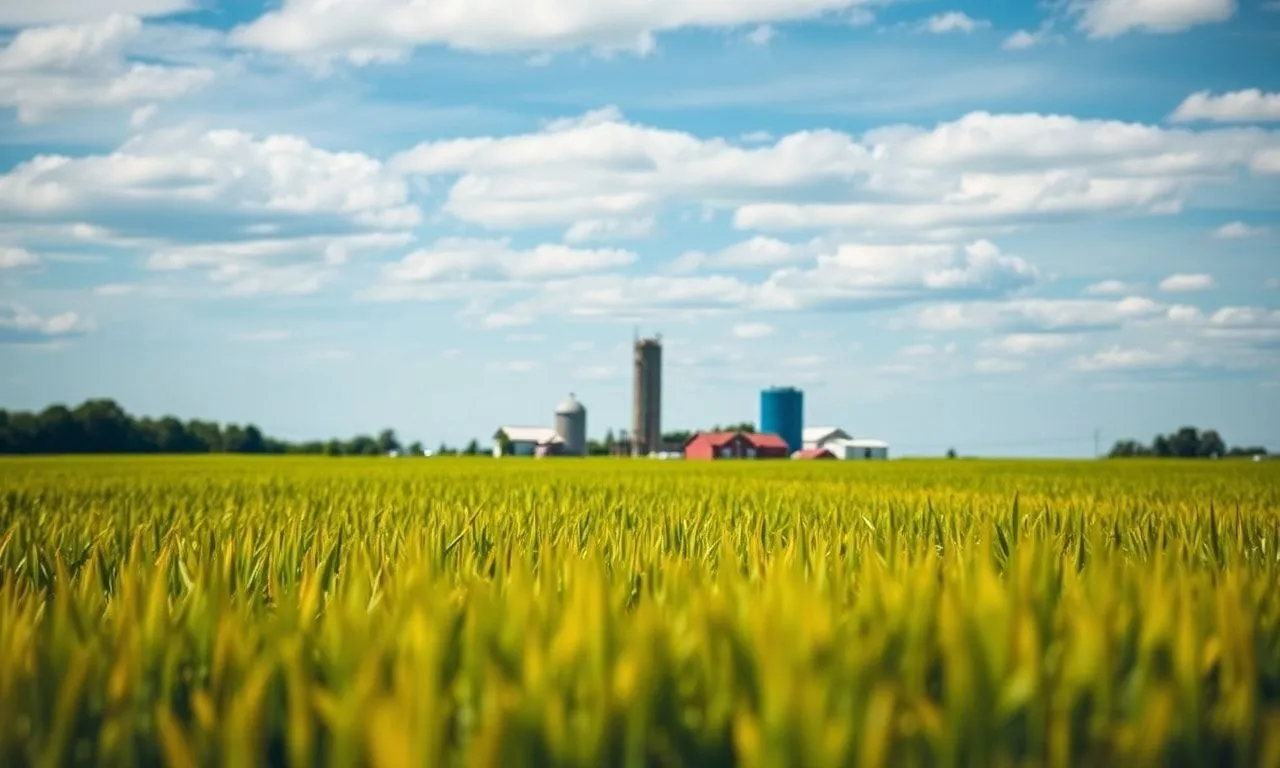
Agriculture has long been the backbone of Iowa’s economy. The state is a leading producer of corn, soybeans, and pork, contributing significantly to the national food supply. However, Iowa is not resting on its laurels. Innovations in agricultural technology and sustainable farming practices are positioning the state as a leader in the future of agriculture.
Recent investments in precision agriculture and biotechnology are revolutionizing the way Iowa farmers operate. These advancements not only increase productivity but also promote environmental sustainability. The state’s commitment to research and development in this sector is paving the way for a more resilient and efficient agricultural industry.
Diversification of the Economy
While agriculture remains a cornerstone, Iowa is actively diversifying its economy. The state has seen significant growth in sectors such as manufacturing, healthcare, and renewable energy. This diversification is crucial for long-term economic stability and job creation.
Manufacturing, in particular, has experienced a boom. Companies are drawn to Iowa for its skilled workforce, competitive business environment, and strategic location. The state’s manufacturing sector is not only creating jobs but also attracting investment from both domestic and international companies.
Healthcare is another area of growth. Iowa’s healthcare institutions are renowned for their quality and innovation. The state is home to several leading hospitals and research centers, which are contributing to advancements in medical technology and patient care. This growth in the healthcare sector is improving the quality of life for Iowa residents and attracting top talent from across the country.
The Impact of Renewable Energy
Iowa is also making strides in renewable energy, particularly wind power. The state is a national leader in wind energy production, with numerous wind farms dotting its landscape. This commitment to renewable energy is not only reducing carbon emissions but also creating jobs and stimulating economic growth.
The wind energy sector has brought significant investment to rural communities, providing a much-needed economic boost. Additionally, the development of wind farms has led to infrastructure improvements and increased tax revenues, which are reinvested into local schools, roads, and public services.
Investing in Education and Workforce Development
To sustain its economic growth, Iowa is investing heavily in education and workforce development. The state’s universities and community colleges are partnering with industries to provide specialized training programs. These programs ensure that the workforce is equipped with the skills needed to meet the demands of a evolving job market.
Initiatives such as the Iowa Workforce Development’s Apprenticeship and Job Training Program are bridging the gap between education and employment. By offering hands-on training and job placement services, these programs are helping Iowans secure stable and well-paying jobs. This focus on workforce development is crucial for attracting new businesses and retaining talent within the state.
Quality of Life and Community Development
Iowa’s economic growth is also enhancing the quality of life for its residents. The state’s communities are thriving, with new businesses, cultural attractions, and recreational facilities. This vibrant community life is attracting young professionals and families, contributing to population growth and economic vitality.
Cities like Des Moines, Cedar Rapids, and Iowa City are experiencing a renaissance. These urban centers are becoming hubs for innovation, entrepreneurship, and cultural activities. The growth of these cities is not only improving the quality of life for residents but also positioning Iowa as a competitive destination for businesses and investors.
Moreover, Iowa’s commitment to sustainable development is creating a healthier and more livable environment. Initiatives such as the Iowa Great Places program are revitalizing downtown areas, promoting historic preservation, and enhancing public spaces. These efforts are making Iowa’s communities more attractive places to live, work, and visit.
Conclusion
Iowa’s economic resurgence is a testament to the state’s adaptability and innovation. By diversifying its economy, investing in education and workforce development, and promoting sustainable practices, Iowa is positioning itself for long-term growth and prosperity. The Hawkeye State is not only a leader in agriculture but also a hub for manufacturing, healthcare, and renewable energy. As Iowa continues to evolve, it is poised to attract more businesses, create jobs, and improve the quality of life for its residents. The future looks bright for Iowa, and the state’s economic success story is just beginning.
For those interested in the latest trends and innovations, exploring resources like Aktuelle Mode Trends Lausanne 2026 can provide insights into global developments that may influence Iowa’s economic landscape.
In the realm of sustainable urban development, a new report highlights Glasgow’s forward-thinking initiatives that are setting a benchmark for cities worldwide.
In the realm of current trends and their impact on well-being, our latest feature explores fashion’s role in mental health delves into how personal style can influence emotional wellness.