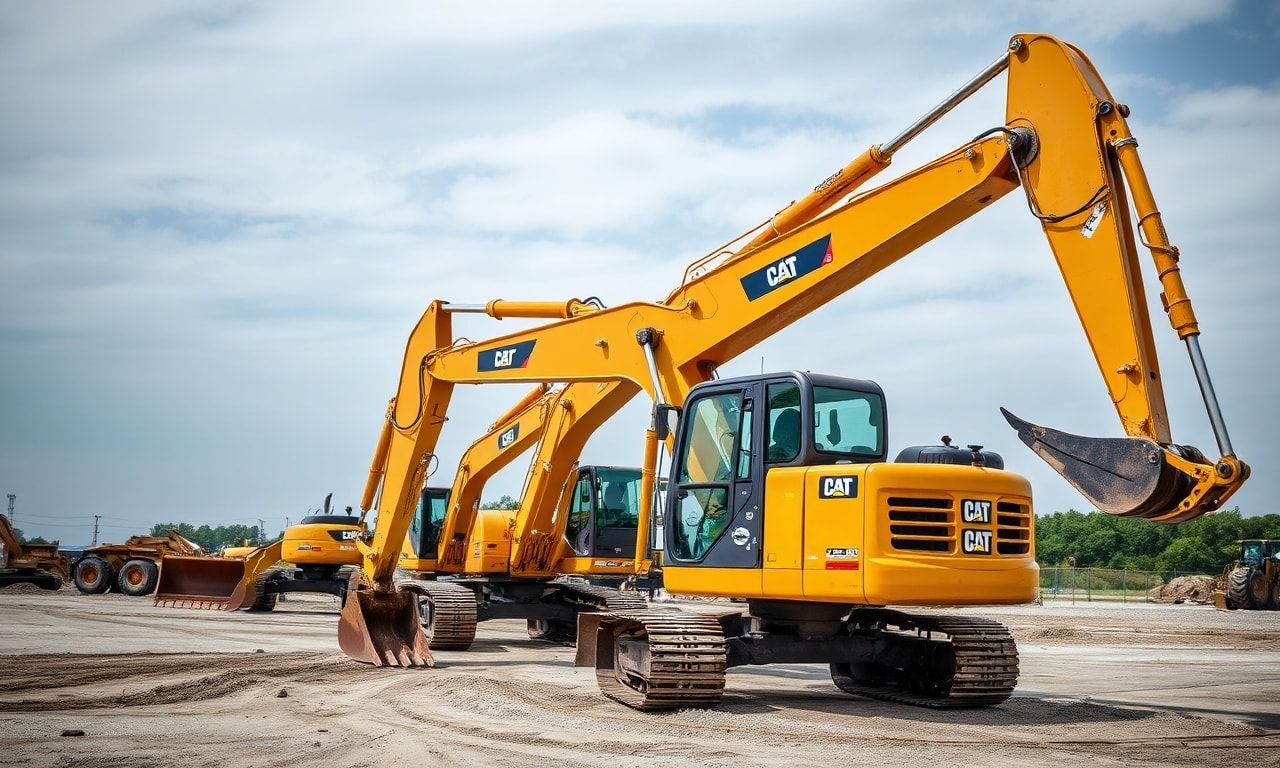
The Evolution of Excavators in Modern Construction
The construction industry has witnessed significant advancements in heavy machinery, particularly in the realm of excavators. These versatile machines have become indispensable in various sectors, from large-scale infrastructure projects to precision landscaping. The evolution of excavators reflects the broader trends in technology, sustainability, and operational efficiency. As the demand for robust and efficient machinery grows, manufacturers are innovating to meet these needs, ensuring that excavators remain at the forefront of construction technology.
The Role of Excavators in Infrastructure Development
Excavators play a pivotal role in infrastructure development, enabling the efficient excavation of large volumes of earth and the precise placement of materials. These machines are essential in the construction of roads, bridges, and buildings, where accuracy and speed are paramount. The versatility of excavators, coupled with their ability to perform multiple tasks, makes them a valuable asset in any construction project. As urbanization continues to expand, the demand for excavators is expected to rise, driving further innovation in their design and functionality.
Technological Innovations in Excavator Design
Recent technological advancements have revolutionized the design and functionality of excavators. Modern excavators are equipped with advanced hydraulic systems, GPS technology, and automated controls, enhancing their precision and efficiency. These innovations have not only improved the performance of excavators but have also contributed to safer and more sustainable construction practices. For instance, the integration of GPS technology allows for precise excavation, reducing material waste and increasing project accuracy. Additionally, automated controls enable operators to perform tasks with greater ease and accuracy, minimizing the risk of human error.
Furthermore, the advent of electric and hybrid excavators is a testament to the industry’s commitment to sustainability. These eco-friendly machines reduce emissions and noise levels, making them ideal for urban environments. The shift towards electric and hybrid excavators is driven by the growing awareness of environmental issues and the need for sustainable construction practices. As technology continues to evolve, excavators are expected to become even more efficient and environmentally friendly, setting new standards for the construction industry.
The Importance of Operator Training and Safety
While technological advancements have enhanced the capabilities of excavators, the importance of operator training and safety cannot be overstated. Proper training ensures that operators can maximize the potential of these machines while minimizing the risk of accidents. Safety protocols, regular maintenance, and adherence to industry standards are crucial in maintaining the integrity and longevity of excavators. Additionally, operators must be well-versed in the latest technological advancements to leverage the full potential of modern excavators.
In this context, resources like the çekici rehber portalı provide valuable information and guidelines for operators, helping them stay updated on the latest trends and best practices in the industry. These platforms offer a wealth of knowledge, from maintenance tips to safety protocols, ensuring that operators can perform their tasks with confidence and efficiency.
The Future of Excavators in Construction
The future of excavators in the construction industry looks promising, with continued advancements in technology and sustainability. As the demand for efficient and eco-friendly machinery grows, manufacturers are likely to introduce more innovative features and designs. The integration of artificial intelligence and machine learning could further enhance the capabilities of excavators, enabling them to perform tasks with even greater precision and efficiency. Additionally, the development of autonomous excavators could revolutionize the construction industry, reducing the need for human operators and minimizing the risk of accidents.
In conclusion, excavators have become an integral part of the construction industry, driving progress and innovation. Their evolution reflects the broader trends in technology, sustainability, and operational efficiency. As the demand for robust and efficient machinery continues to grow, excavators will remain at the forefront of construction technology, shaping the future of infrastructure development.
In our latest feature, urban development through local services offers a compelling look at how community initiatives shape global trends.
As global travel resumes, adventurers may find inspiration in unique destinations beyond tourist hotspots, offering a fresh perspective on exploration.
As global trade continues to face unprecedented challenges, understanding the complexities of supply chain disruptions is crucial for businesses and policymakers alike.