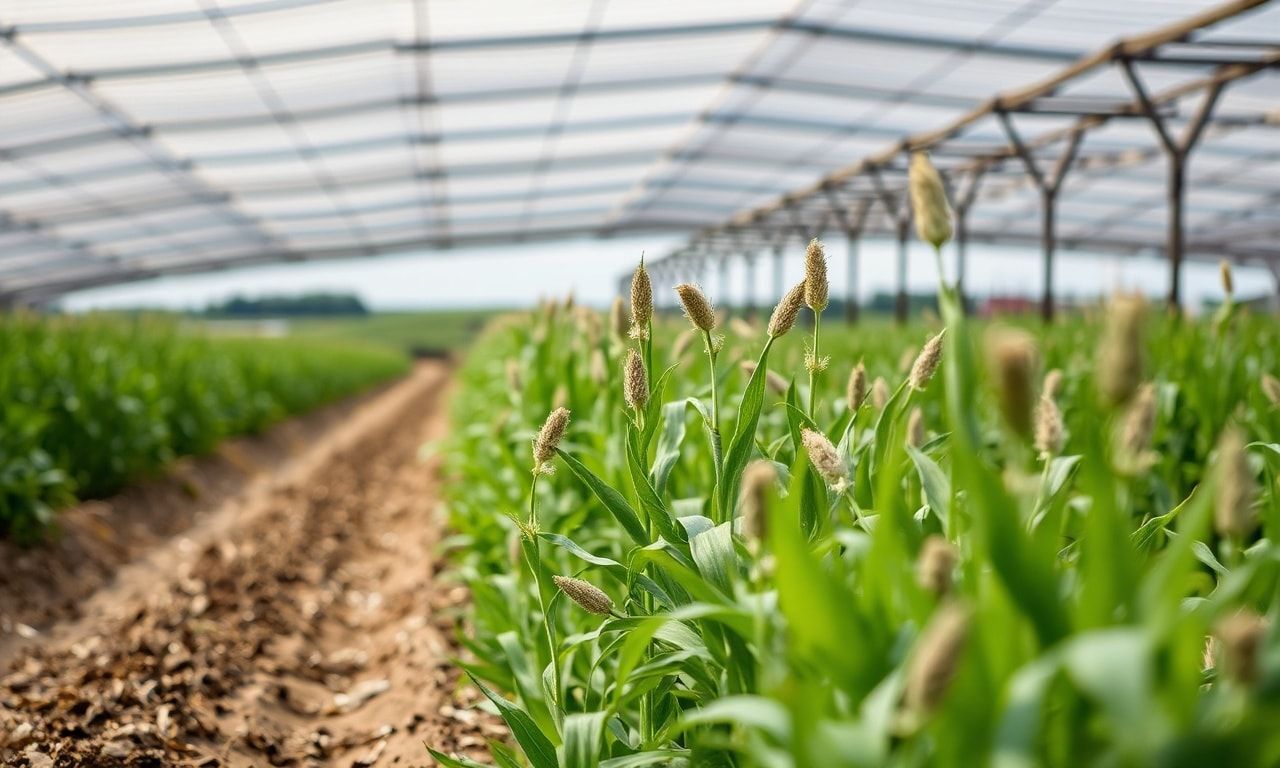
The Ever-Changing Landscape of Iowa’s Agriculture
Iowa, often dubbed the ‘breadbasket of America,’ is renowned for its vast agricultural output. However, the sector is currently navigating through turbulent times, with global market shifts and economic uncertainties posing significant challenges. Farmers and agribusinesses are adapting to these changes, but the road ahead remains fraught with complexities.
Global Market Dynamics and Their Impact
The agricultural market is deeply intertwined with global economic trends. Recent fluctuations in commodity prices, trade policies, and currency values have created a volatile environment. For instance, the ongoing trade tensions between the United States and China have had a ripple effect on Iowa’s soybean exports. According to the latest market news financial update, these geopolitical factors are compelling farmers to diversify their crops and explore new markets to mitigate risks.
Technological Innovations and Sustainability
In response to these challenges, Iowa’s agricultural sector is embracing technological innovations to enhance productivity and sustainability. Precision agriculture, which involves the use of GPS technology, sensors, and data analytics, is gaining traction. These tools enable farmers to optimize the use of resources such as water, fertilizers, and pesticides, thereby reducing costs and environmental impact. Additionally, there is a growing emphasis on sustainable farming practices, such as crop rotation and organic farming, to meet the increasing demand for eco-friendly produce.
Government Policies and Support
The role of government policies in shaping the agricultural landscape cannot be overstated. Federal and state initiatives aimed at supporting farmers through subsidies, research grants, and infrastructure development are crucial. For example, the Farm Bill, which is periodically renewed, provides a safety net for farmers by offering price supports and disaster assistance. However, the effectiveness of these policies often hinges on timely implementation and adequate funding. Advocacy groups and industry stakeholders are continuously engaging with policymakers to ensure that the needs of the agricultural community are addressed.
Community and Education
Education and community engagement play a pivotal role in the resilience of Iowa’s agricultural sector. Agricultural extension programs, offered by universities and colleges, provide farmers with access to the latest research, training, and resources. These programs often focus on areas such as soil health, pest management, and financial planning. Furthermore, community cooperatives and farmer networks facilitate the sharing of knowledge and best practices, fostering a collaborative environment that is essential for overcoming challenges.
Looking Ahead: Opportunities and Challenges
Despite the myriad challenges, there are also opportunities on the horizon. The increasing global demand for food, driven by population growth and changing dietary preferences, presents a significant opportunity for Iowa’s agricultural sector. Moreover, the rise of value-added products, such as organic foods and specialty crops, offers new avenues for growth. However, realizing these opportunities will require strategic planning, investment in technology, and a commitment to sustainability. The agricultural community in Iowa is no stranger to adversity, and its ability to adapt and innovate will be key to navigating the challenges ahead.