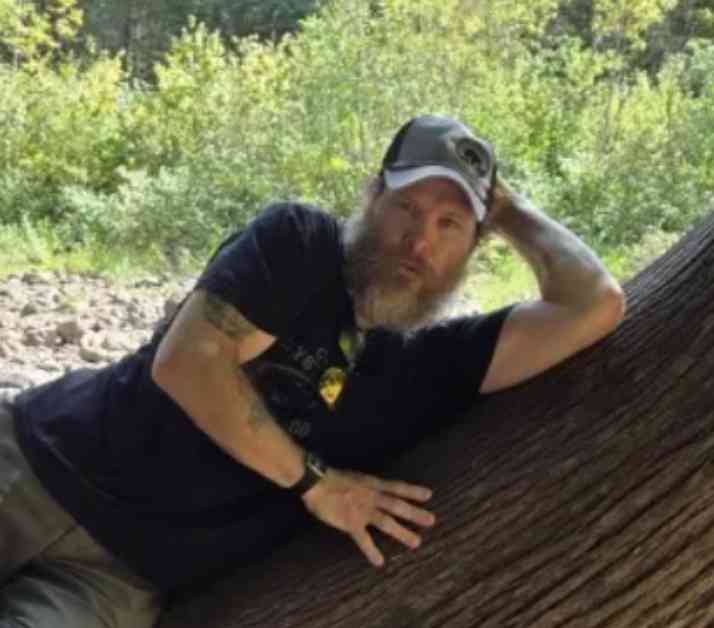
Remembering Christopher Michael Higgins: A Tribute
Forest City mourns the loss of a beloved community member, Christopher Michael Higgins, who tragically passed away on January 12, 2025, at the age of 46. Chris’s unexpected death has left his family, friends, and loved ones in deep sorrow as they grapple with the sudden loss of a cherished individual.
A Life Well-Lived
Born on December 15, 1978, at the University of Iowa Hospital in Iowa City, Chris grew up in Forest City, where he attended Forest City Schools. An active participant in sports, Chris excelled in football, track, and wrestling during his school years. His passion for wrestling led him to the State Wrestling competition, where he achieved second place in his senior year. Even after graduating, Chris continued to share his wrestling skills with young children, leaving a lasting impact on the community.
After his schooling, Chris began his professional journey at Leland Woodworks in Leland before joining 3M in Forest City, where he dedicated 20 years of service. His commitment to his work and unwavering dedication made him a respected and admired colleague among his peers.
A Beloved Husband and Family Member
Chris’s marriage to Jennifer Sandry in 2003 marked the beginning of a beautiful partnership centered around Forest City, where they established their home. Described as hardworking and devoted, Chris’s impact extended beyond the workplace, leaving a lasting impression on all who knew him. His family, friends, and the entire community will deeply miss his presence and the warmth he brought to all those around him.
Legacy of Love and Remembrance
Chris is survived by his wife, Jenny; his cherished fur baby, Arlo; his mother, Michal Higgins of Leland; his mother- and father-in-law, Jeannie & Jerry Sandry of rural Forest City; his grandmother, Arlis Higgins of Titonka; as well as numerous other relatives and friends. While his passing has left a void, the memories of Chris’s kindness, dedication, and unwavering spirit will continue to live on in the hearts of those who knew him.
As the Forest City community mourns the loss of Christopher Michael Higgins, his memory will forever be cherished and honored for the impact he made during his time on earth. May his legacy serve as a beacon of hope and inspiration to all who had the privilege of knowing him.